Adult Psychiatrist in Back Bay, Boston
Bipolar Disorder Treatment in Boston
Steady care for a condition that moves
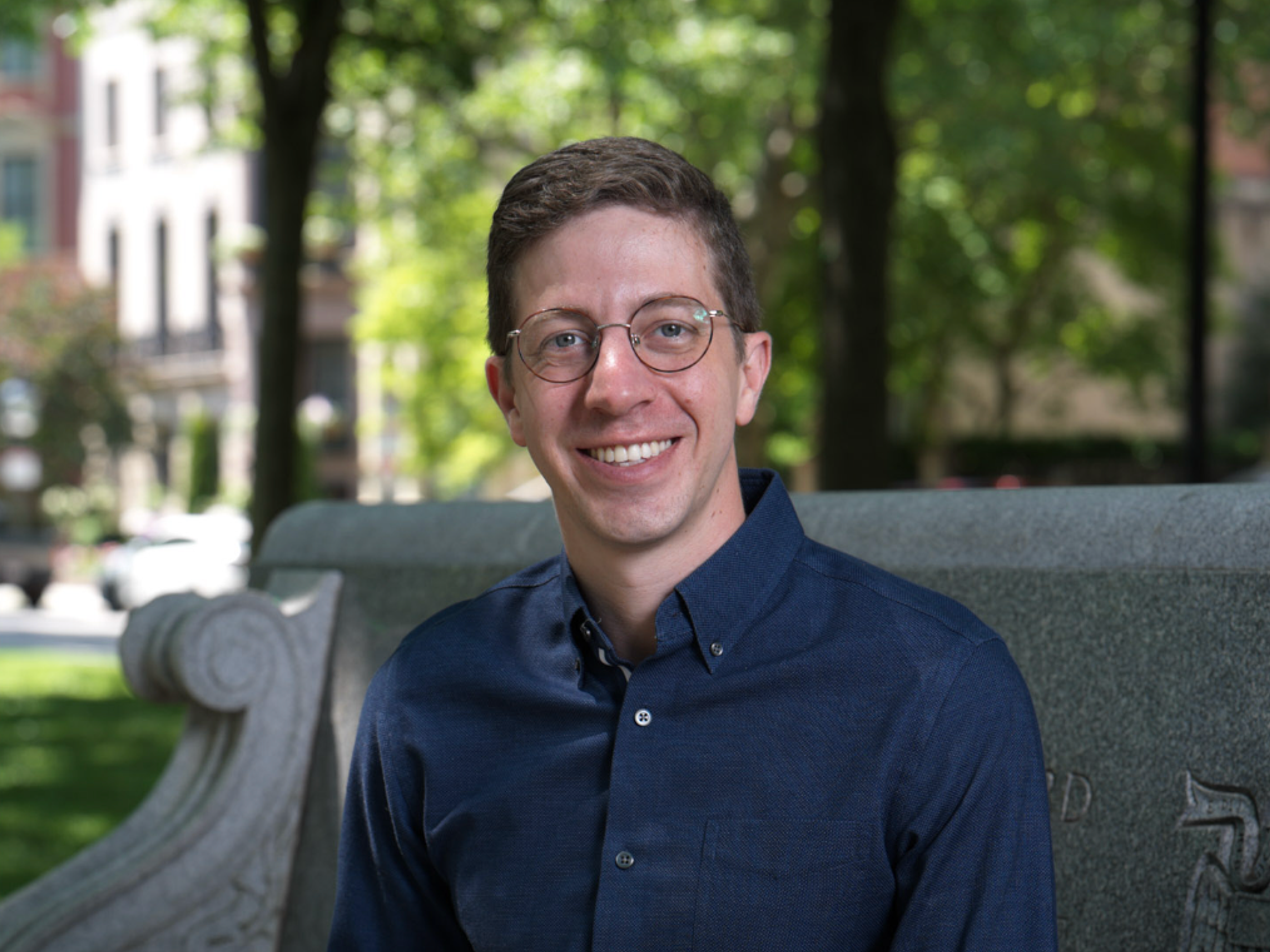
Dr. Victor Cohen, MD
Physician-led treatment for bipolar I and bipolar II in adults: a diagnosis made carefully, medication managed properly, and one doctor who stays with you through both poles.

Dr. Victor Cohen, MD
Getting the Diagnosis Right
Bipolar disorder — especially bipolar II — often spends years wearing the wrong label. Most commonly: "depression that never quite responds."
The depressive side of bipolar disorder is what brings people to an office; the hypomanic side almost never does. A stretch of unusual energy, little sleep, fast plans, and sharp confidence rarely feels like a problem while it is happening. So the history I take is longer than you may be used to — episodes over years, what every previous medication actually did, sleep patterns, family history, and sometimes the perspective of someone who knows you well. If antidepressants have repeatedly made things worse, more agitated, or briefly wonderful, that is a story I want to hear in detail.

Need Urgent Assistance?
Our offices
My Offices in the Boston area
Boston
82 Marlborough StreetBoston, MA 02116Evidence, applied patiently
My Approach to Bipolar Disorder Treatment

Everything starts with the diagnosis, because bipolar treatment done to the wrong diagnosis — or depression treatment done to unrecognized bipolar disorder — costs people years. When the picture is genuinely unclear, I say so, and we watch it together rather than guessing.
Medication is the foundation
Mood stabilizers are the best-evidenced treatment we have, and lithium remains among the most effective medications in psychiatry — including evidence no other mood stabilizer matches for reducing suicide risk. It has a reputation problem, mostly from an era of careless dosing. Managed properly — regular levels, kidney and thyroid monitoring, the lowest effective dose — it is both safe and, for many people, life-changing. Where lithium is not the right fit, other mood stabilizers and second-generation options each have specific strengths, and antidepressants are used cautiously if at all.
The long game
Bipolar disorder is episodic; treatment should not be. The work between episodes is what changes the trajectory: protecting sleep, mapping your personal early-warning signs, and having a plan we both know before it is needed. Because I keep my practice small, the physician who knows your baseline is the one you reach when something starts to shift.
Dr. Victor Cohen
Bipolar Treatment for Adults in Boston
Stability is the outcome that matters — not just ending this episode, but preventing the next one.

Adult ADHD Care
The Concierge Difference at My Practice
Most bipolar evaluations happen in fifteen minutes. Mine take longer, because the DSM-5 isn’t the end of the line. In real life, bipolar disorders show up in ways a checklist alone won't sort out.
Direct access means you can reach me when a dose needs adjusting or a side effect shows up, not leave messages and wait for callbacks. Same physician, every visit.
A small patient panel means real time for your history, and it means I'm as willing to take you off a medication as I was to start it. Deprescribing gets the same care as prescribing.
How Bipolar Disorder Shows Up
Recurrent depression
Hypomania
The bipolar II pattern
Sleep as an early warning
Antidepressants behaving strangely
Mixed features
Irritability over euphoria
The cost afterward
Request a Call or Text
I reply within one business day.
This is not an emergency practice. If you are experiencing an emergency, call 911, or call or text 988 for the Suicide & Crisis Lifeline.
Frequently Asked Questions about Bipolar Disorder
Reach Out To Learn More
The first step is a confidential conversation about your history.
During this initial discussion, we'll talk through your concerns, answer questions about my approach, and determine whether this practice is the right fit.
Seeking care for ADHD as an adult can feel like a significant step, especially after past appointments that felt rushed. I want it to be straightforward, and to give you the time a real evaluation takes.
Dr. Victor Cohen sees adult patients in Back Bay, Boston, with availability in Cambridge.